The Evolution of Sliding Doors: From Classic to Contemporary Styles
The evolution of sliding doors showcases a significant transformation in design and functionality across the centuries. From ornate wooden constructions in historical castles to sleek, modern glass installations, these doors have adapted to changing tastes and technologies. This journey reflects broader architectural trends and innovations in materials. Understanding this progression can illuminate choices for contemporary spaces and elevate everyday living, inspiring a thoughtful examination of how these components can reshape the meaning of home.
Modern Innovations in Sliding Door Technology
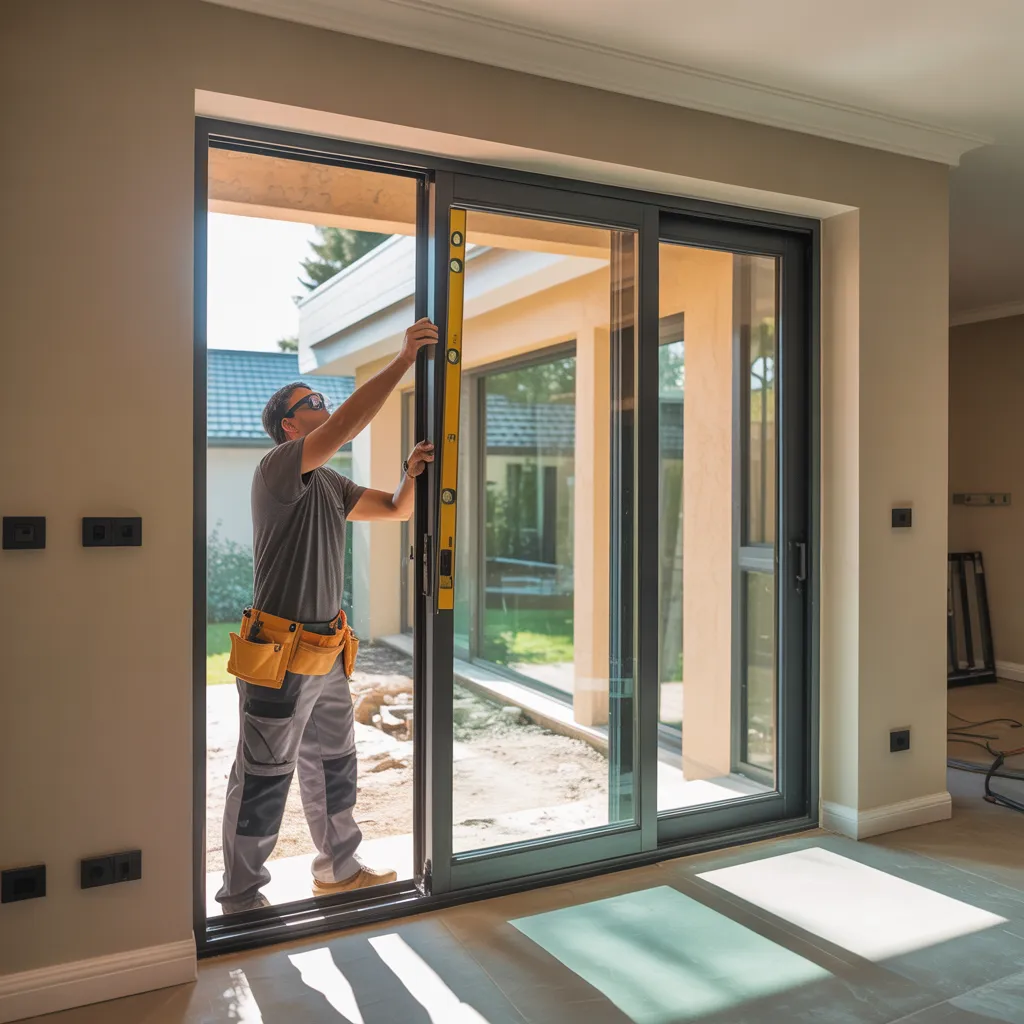
Sliding door technology has undergone significant transformations, elevating both practicality and design. Current advancements concentrate on refining user experience through superior materials and engineering. Premium-grade glass, for example, provides superior insulation and UV resistance, promoting energy savings while allowing maximum natural light penetration. Furthermore, the incorporation of smart technology enables automated operation, often controlled via smartphone apps, enhancing convenience.
In addition, current sliding doors employ sleek, minimalist frames that work with a wide range of architectural styles, making them adaptable for both residential and commercial applications. Enhanced tracks and roller systems guarantee smoother operation, minimizing long-term wear and tear. Custom design choices, including an array of colors and surface finishes, empower homeowners to customize doors to match their preferences.
These advancements not only enhance the visual appeal of spaces but also provide strength and functionality, representing a transition to modern living that emphasizes both design and utility in sliding door design.
The History and Evolution of Sliding Doors
Although often associated with modern architecture, the history of sliding doors stretches back millennia. Ancient civilizations, such as the Chinese and Japanese, constructed sliding doors known as “shoji” and “fusuma,” making use of lightweight materials like bamboo, rice paper, and wood. These structures provided versatile room arrangements and smooth indoor-outdoor transitions.
Within the Roman Empire, sliding mechanisms were refined and improved, largely to improve convenience in public spaces. The implementation of doors that slide rather than swing as opposed to swinging, proved practical in densely populated areas.
During the Middle Ages, sliding doors re-emerged in European architecture, commonly used as aesthetic additions in castles and grand homes. In the nineteenth century, the Industrial Revolution facilitated the mass production of sliding doors, leading to their incorporation in residential and commercial structures. This fascinating progression demonstrates the timeless appeal and functional benefits of sliding doors across different cultures and eras.
A Comparison of Sliding Door Materials: Past vs. Present
As architectural styles evolved, so too did the materials employed in sliding doors, showcasing progress in technology and design trends. In earlier times, sliding doors were mainly constructed from wood, leveraging its inherent beauty and widespread availability. Yet, wood's vulnerability to warping and weathering drove the demand for more long-lasting solutions.
Within current design approaches, options such as aluminum, fiberglass, and composite options have gained popularity. Aluminum delivers a clean, contemporary look while delivering superior durability and protection against corrosion. Fiberglass, alternatively, combines energy efficiency with the look of wood, demanding minimal upkeep and demonstrating superior weather resistance. Furthermore, glass has emerged as a prominent choice, allowing for seamless indoor-outdoor shifts and enhancing the flow of natural light.
This progression in materials demonstrates a transition toward efficiency and eco-conscious design, allowing homeowners to select choices that satisfy both design preferences and performance demands.
Selecting Classic Sliding Door Designs for Your Home
Classic sliding door styles offer an enduring charm, blending effortlessly into diverse interior styles. Commonly constructed from timber, these doors convey a sense of warmth and refinement, making them a perfect fit for classic and contemporary spaces alike. Popular designs include the barn door style, which captures a countryside aesthetic, and the pocket door, perfect for saving space without compromising on timeless style.
Selecting glass panels can improve natural lighting and establish an airy feel, making them perfect for uniting indoor and outdoor environments. Additionally, decorative fixtures, such as vintage handles and copyrights, can enhance the timeless aesthetic, lending a one-of-a-kind personality to the home.
When picking out classic sliding doors, homeowners should evaluate design features and color palettes to ensure balance across their living areas. By selecting timeless designs, one can achieve a harmonious and appealing space that honors both utility and design excellence.
How to Find the Best Sliding Door for Your Space
Picking the right learn now sliding door requires careful consideration of both materials and aesthetics. Longevity is critical, as the chosen material should handle daily use while matching the overall decor. Matching the sliding door's style with current design elements produces a harmonious look that improves the area.
Material Considerations For Durability
Longevity is an essential consideration in the selection of sliding doors, as the appropriate material can significantly impact performance and lifespan. Common materials include aluminum, wood, vinyl, and fiberglass, all of which offer their own notable benefits. Wood offers timeless aesthetic value but often demands consistent upkeep to avoid warping. Fiberglass is known for its strength and resistance to weathering, rendering it a great option across different climates. Aluminum delivers a sleek, modern aesthetic while being lightweight, however it can transfer heat and cold. Vinyl stands out for being easy to maintain and highly energy-efficient, rendering it a widely favored selection for residential use. In the process of selecting a sliding door, evaluate the level of environmental exposure and frequency of use to confirm that the material chosen fulfills long-term durability demands while aligning with practical performance expectations.
Style Matching With Décor
Choosing the right sliding door can greatly improve the general aesthetic of a space. To accomplish style cohesion, one must consider the current design and architectural elements. For modern settings, refined, minimalist designs with materials like metal or glass complement current furnishings. In contrast, traditional spaces benefit from wooden doors showcasing fine detailing or classic finishes. Colour also plays a vital role; doors should either match or contrast effectively with neighboring walls, furniture, and decorative elements. For eclectic interiors, distinctive textures or striking patterns can function as design highlights. At the core of it all, the selected sliding door should not only operate smoothly but also complement the general design vision of the room, creating a harmonious and welcoming atmosphere.
The Way Modern Sliding Doors Elevate Indoor-Outdoor Living
Contemporary sliding doors significantly improve the indoor-outdoor lifestyle by fluidly integrating indoor areas with the surrounding environment. These large-scale glass installations deliver open, unrestricted sightlines, permitting sunlight to stream into living spaces while forming a scenic connection to outdoor environments. In contemporary designs, slender frames expand glass coverage, creating a sense of greater space and openness.
Usability is another critical factor; numerous sliding doors glide effortlessly, facilitating smooth access between inside and outside areas. This attribute fosters a more dynamic approach to living, enabling social gatherings and routine tasks in a cohesive environment. Moreover, advanced materials deliver superior insulation and safety, maintaining ease and safety without detracting from overall appearance.
Landscaping and outdoor furniture can be harmoniously integrated, establishing a harmonious setting that encourages rest and meaningful gatherings. Ultimately, modern sliding doors not only elevate the aesthetic appeal of a home but also promote a lifestyle that embraces nature and open-air living.

Frequently Asked Questions
What Are the Average Costs of Installing Sliding Doors?
The standard costs of sliding door installation usually fall from $1,000 to $2,500, influenced by materials, sizing, and the complexity of installation. Homeowners ought to account for extra costs including hardware and possible structural modifications.
What Is the Best Way to Maintain Sliding Doors Over Time?
Consistent care of sliding doors requires removing debris from tracks, lubricating rollers, examining seals for deterioration, and adjusting alignment. Verifying optimal performance demands routine evaluations to prevent dirt buildup and ensure seamless functionality over time.
Are Sliding Doors Considered Energy-Efficient Choices?
Sliding doors have the potential to be energy-efficient, particularly when fitted with double or triple glazing. Proper installation and weather stripping enhance their performance, reducing heat loss and making them a practical choice for energy-conscious homeowners.
Is It Possible to Customize Sliding Doors for Unique Spaces?
Sliding doors can absolutely be adapted to accommodate unique areas. Various materials, sizes, and designs allow for tailored solutions, making certain they fulfill both decorative and operational demands, elevating the general attractiveness of any space.
What Safety Features Are Important for Sliding Doors?
When choosing sliding doors, you should evaluate features like toughened glass for durability against impacts, robust locking systems to deter unauthorized access, reinforced anti-lift tracks to discourage tampering, and protective sensors to prevent unintended closures.
Comments on “How Aluminium Sliding Doors Deliver Long Lifespan”